Buy kongress.info ?
We are moving the project
kongress.info .
Are you interested in purchasing the domain
kongress.info ?
domain@kv-gmbh.de · 0541-91531010
Buy kongress.info ?
Does silicone stick to silicone?
Yes, silicone does stick to silicone. When two silicone surfaces come into contact, they tend to adhere to each other due to their similar chemical composition. This property makes silicone a popular material for creating airtight seals and bonding silicone-based products together. **
Can silicone be applied on silicone?
Yes, silicone can be applied on top of existing silicone. However, it is important to ensure that the existing silicone is clean and free of any dirt, dust, or residue before applying new silicone. Additionally, it is recommended to use a silicone primer to promote adhesion between the old and new silicone layers. This will help to create a strong bond and ensure a durable seal. **

Similar search terms for Silicone
Top-Angebote
Products related to Silicone:
-
Inspire Essentials Tonepie Silicone Litter Box Mat Tonepie Silicone Litter Box MatKeep your cat's litter area cleaner and more organized with a simple upgrade designed for everyday convenience. This durable Silicone Litter Box Mat is made for compatible Tonepie automatic self cleaning litter boxes, helping protect the bottom tray...49,98 $*Shipping: 0,00 $Secure redirect to the provider
-
Uplifted Finds Silicone Multi Texture Licking Mat Silicone Multi Texture Licking Mat"Transform mealtime into a calming, healthy experience with this Silicone Slow Food Licking Mat. Designed to promote ""mindful eating,"" this mat features four distinct textured quadrants that encourage your cat to lick rather than gulp. This slower..."50,97 $*Shipping: 0,00 $Secure redirect to the provider




-
Can I apply silicone on silicone?
It is generally not recommended to apply new silicone on top of existing silicone. The new silicone may not adhere properly to the old silicone, leading to potential issues with adhesion and durability. It is best to remove the old silicone completely before applying a new layer to ensure a proper bond and a long-lasting seal. **
-
What are silicone and silicone hydrogel lenses?
Silicone lenses are a type of contact lens made with a silicone-based material, which allows for increased oxygen permeability to the eye. This can help reduce the risk of eye infections and improve overall comfort. Silicone hydrogel lenses are a specific type of silicone lens that also includes hydrogel, a water-absorbing material that helps keep the lenses moist and comfortable for longer periods of time. These lenses are popular for their breathability and comfort, making them a popular choice for contact lens wearers. **
-
Can I apply silicone on top of silicone?
Yes, you can apply new silicone on top of existing silicone as long as the old silicone is clean, dry, and in good condition. It is important to remove any dirt, dust, or residue from the old silicone before applying the new layer to ensure proper adhesion. Additionally, make sure to use a compatible silicone product to avoid any compatibility issues. **
-
Should one use aquarium silicone or regular household silicone?
It is recommended to use aquarium silicone for sealing aquariums and fish tanks. Aquarium silicone is specifically designed to be non-toxic and safe for aquatic life, whereas regular household silicone may contain harmful chemicals that can leach into the water and harm fish. Using aquarium silicone ensures a safe and secure seal for your aquarium, providing a healthy environment for your aquatic pets. **

What is the difference between silicone and silicone oil?
Silicone is a synthetic material made up of silicon, oxygen, carbon, and hydrogen atoms. It is commonly used in various products like sealants, adhesives, lubricants, and medical implants. Silicone oil, on the other hand, is a type of silicone that is in liquid form. It is often used as a lubricant, in hydraulic systems, as a heat transfer fluid, and in various medical applications. The main difference between silicone and silicone oil is their physical state - silicone is solid or semi-solid, while silicone oil is a liquid. **
What conducts silicone?
Silicone is a synthetic material that is a poor conductor of electricity. This means that it does not conduct electricity well, which makes it a good insulator. However, silicone can conduct heat to some extent, making it useful for applications where thermal conductivity is important, such as in cooking utensils and heat-resistant tubing. Overall, silicone is primarily known for its insulating properties rather than its ability to conduct electricity. **
Top-Angebote
Products related to Silicone:
-
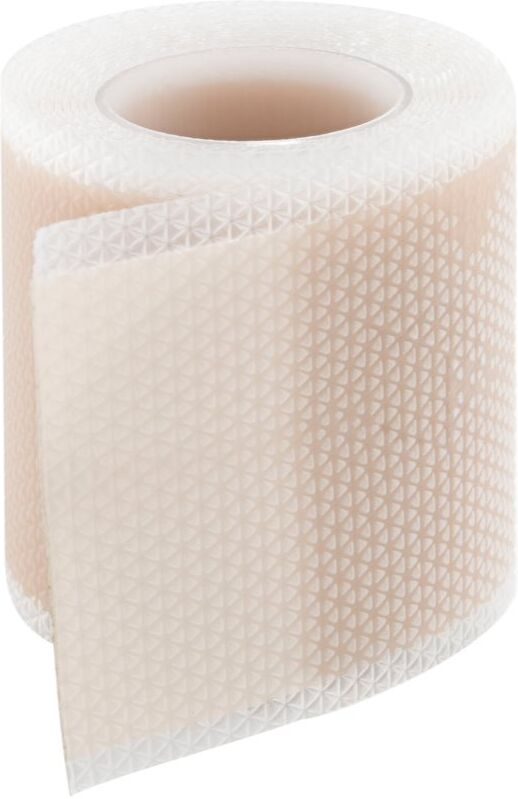
Brushworks Silicone Face Tape silicone tape for eyeshadow 1 mBrushworks Silicone Face Tape, 1 m, Eyeliner for Women, Do you tend to hit the same few shades in your favourite eyeshadow palette but you just can’t do without them? Or are you travelling and can only fit the essentials in your toiletry bag? Thanks to its compact size, the Brushworks Silicone Face Tape eyeshadow won’t take up much room, so you can always have it on hand, be it by itself in your purse or as an accessory to your favourite palette. This allows you to give your lids a pop of colour or define the shape of your eyes to your liking, giving every makeup look a new dimension, no matter what your reason for getting them is. The formula ensures even pigment coverage, easy application and seamless blending without unwanted harsh transitions. Characteristics: washes out easily draws precise lines7,44 £*Shipping: 3,99 £Secure redirect to the provider
-
Does silicone stick to silicone?
Yes, silicone does stick to silicone. When two silicone surfaces come into contact, they tend to adhere to each other due to their similar chemical composition. This property makes silicone a popular material for creating airtight seals and bonding silicone-based products together. **
-
Can silicone be applied on silicone?
Yes, silicone can be applied on top of existing silicone. However, it is important to ensure that the existing silicone is clean and free of any dirt, dust, or residue before applying new silicone. Additionally, it is recommended to use a silicone primer to promote adhesion between the old and new silicone layers. This will help to create a strong bond and ensure a durable seal. **
-
Can I apply silicone on silicone?
It is generally not recommended to apply new silicone on top of existing silicone. The new silicone may not adhere properly to the old silicone, leading to potential issues with adhesion and durability. It is best to remove the old silicone completely before applying a new layer to ensure a proper bond and a long-lasting seal. **
-
What are silicone and silicone hydrogel lenses?
Silicone lenses are a type of contact lens made with a silicone-based material, which allows for increased oxygen permeability to the eye. This can help reduce the risk of eye infections and improve overall comfort. Silicone hydrogel lenses are a specific type of silicone lens that also includes hydrogel, a water-absorbing material that helps keep the lenses moist and comfortable for longer periods of time. These lenses are popular for their breathability and comfort, making them a popular choice for contact lens wearers. **
Similar search terms for Silicone
-
Inspire Essentials Tonepie Silicone Litter Box Mat Tonepie Silicone Litter Box MatKeep your cat's litter area cleaner and more organized with a simple upgrade designed for everyday convenience. This durable Silicone Litter Box Mat is made for compatible Tonepie automatic self cleaning litter boxes, helping protect the bottom tray...49,98 $*Shipping: 0,00 $Secure redirect to the provider
-
Uplifted Finds Silicone Multi Texture Licking Mat Silicone Multi Texture Licking Mat"Transform mealtime into a calming, healthy experience with this Silicone Slow Food Licking Mat. Designed to promote ""mindful eating,"" this mat features four distinct textured quadrants that encourage your cat to lick rather than gulp. This slower..."50,97 $*Shipping: 0,00 $Secure redirect to the provider
-
Uplift Essentials Silicone De Shedding & Massage Gloves Silicone De Shedding & Massage GlovesTurn grooming into a bonding experience with a tool that mimics the loving touch of your hand. These silicone pet grooming gloves are designed to effortlessly lift away loose undercoat hair, dander, and dirt while providing your pet with a relaxing...48,97 $*Shipping: 0,00 $Secure redirect to the provider
-
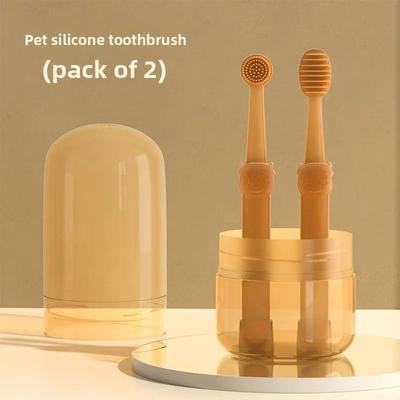
Uplifted Finds PETCLEAR Silicone Oral Care Duo PETCLEAR Silicone Oral Care DuoElevate your pet's dental hygiene with the PETCLEAR Silicone Oral Care Duo. This professionalgrade set is designed specifically for pets who find traditional stiffbristled brushes intimidating. Crafted from 100% foodgrade silicone, this kit includes...34,97 $*Shipping: 0,00 $Secure redirect to the provider
-
Can I apply silicone on top of silicone?
Yes, you can apply new silicone on top of existing silicone as long as the old silicone is clean, dry, and in good condition. It is important to remove any dirt, dust, or residue from the old silicone before applying the new layer to ensure proper adhesion. Additionally, make sure to use a compatible silicone product to avoid any compatibility issues. **
-
Should one use aquarium silicone or regular household silicone?
It is recommended to use aquarium silicone for sealing aquariums and fish tanks. Aquarium silicone is specifically designed to be non-toxic and safe for aquatic life, whereas regular household silicone may contain harmful chemicals that can leach into the water and harm fish. Using aquarium silicone ensures a safe and secure seal for your aquarium, providing a healthy environment for your aquatic pets. **
-
What is the difference between silicone and silicone oil?
Silicone is a synthetic material made up of silicon, oxygen, carbon, and hydrogen atoms. It is commonly used in various products like sealants, adhesives, lubricants, and medical implants. Silicone oil, on the other hand, is a type of silicone that is in liquid form. It is often used as a lubricant, in hydraulic systems, as a heat transfer fluid, and in various medical applications. The main difference between silicone and silicone oil is their physical state - silicone is solid or semi-solid, while silicone oil is a liquid. **
-
What conducts silicone?
Silicone is a synthetic material that is a poor conductor of electricity. This means that it does not conduct electricity well, which makes it a good insulator. However, silicone can conduct heat to some extent, making it useful for applications where thermal conductivity is important, such as in cooking utensils and heat-resistant tubing. Overall, silicone is primarily known for its insulating properties rather than its ability to conduct electricity. **
* All prices are inclusive of VAT and, if applicable, plus shipping costs. The offer information is based on the details provided by the respective shop and is updated through automated processes. Real-time updates do not occur, so deviations can occur in individual cases. ** Note: Parts of this content were created by AI.