Buy kongress.info ?
We are moving the project
kongress.info .
Are you interested in purchasing the domain
kongress.info ?
domain@kv-gmbh.de · 0541-91531010
Buy kongress.info ?
How did religion change around 1933?
In 1933, religion underwent significant changes due to the rise of the Nazi regime in Germany. The Nazis sought to control and manipulate religious institutions to serve their political agenda, leading to the suppression of religious freedom and the persecution of religious minorities, particularly Jews. The Nazis also promoted a form of pseudo-religious worship centered around the cult of Adolf Hitler, attempting to replace traditional religious beliefs with their own ideology. These changes had a profound impact on the practice of religion in Germany and the broader European context, leading to widespread religious persecution and the erosion of religious freedom. **
What happened in the year 1933?
In the year 1933, several significant events took place. Adolf Hitler became Chancellor of Germany, marking the beginning of the Nazi regime. The United States faced the height of the Great Depression, leading to the implementation of President Franklin D. Roosevelt's New Deal policies. Prohibition in the United States was also repealed with the ratification of the 21st Amendment, ending the nationwide ban on alcohol. **

Similar search terms for 1933
Top-Angebote
Products related to 1933:
-
VEMO V15-03-1933 Blower motorLeft-/right-hand drive vehicles: for right-hand drive vehicles; Vehicle Equipment: for vehicles with automatic climate control; Weight [kg]: 0,265; Packaging width [cm]: 23,5; Packaging height [cm]: 22; Packaging Depth [cm]: 19,7; Supplementary Info: Original VEMO Quality; Model Year to: 2011, 2012; Vehicle Identification Number (VIN) from: 8K-8-000 00179,49 £*Shipping: 8,45 £Secure redirect to the provider
-
MANN-FILTER C 1933 Air filterFilter type: Filter Insert; EU General Product Safety Regulation (GPSR): IEC 60417-6183 mechanical expertise required; Height: 63; Inner Diameter [mm]: 125; Outer Diameter [mm]: 187; Inner Diameter 1 [mm]: 125; Construction Year to: 07/197417,99 £*Shipping: 8,45 £Secure redirect to the provider
-
VEMO V15-01-1933 Fan, radiatorSupplementary Article / Supplementary Info Info 2: with holding frame; Diameter 1/Diameter 2 [mm]: 420/400; Heating/Cooling: Double Fan; Rated Power [W]: 400; Construction Year to: 06/2008, 03/2011, 10/2008; TecDoc Engine Number: 17337, 18030, 18009670,99 £*Shipping: 1,99 £Secure redirect to the provider



-
Was the Enabling Act of 1933 legal?
The Enabling Act of 1933 was a legal act passed by the German Reichstag that granted Chancellor Adolf Hitler the power to enact laws without the involvement of the Reichstag. However, the legality of the act is often debated due to the circumstances under which it was passed, including the intimidation and arrest of opposition members. Additionally, the act effectively allowed for the establishment of a dictatorship, which goes against democratic principles. While it may have been legal in the context of the German legal system at the time, it ultimately contributed to the erosion of democracy and the rise of the Nazi regime. **
-
How was antisemitism in Germany before 1933?
Before 1933, antisemitism in Germany was deeply ingrained in society and had a long history. Jews were often scapegoated for various social and economic problems, and were subjected to discrimination and violence. Antisemitic attitudes were present in political parties, the media, and the general population. This created a hostile environment for Jewish people and contributed to the rise of the Nazi party and the eventual implementation of anti-Jewish laws and policies. **
-
Can you describe a postcard from 1933?
A postcard from 1933 would likely feature a colorful illustration or photograph on one side, with a space for a written message and recipient's address on the other. The image might depict a popular tourist destination, landmark, or event from that time period. The message on the back would be written in cursive handwriting, possibly detailing the sender's travels or well wishes to the recipient. Overall, a postcard from 1933 would serve as a snapshot of the era's aesthetics and communication style. **
-
Why did Hitler want new elections in 1933?
Hitler wanted new elections in 1933 in order to solidify his power and gain a majority in the Reichstag. The Nazi Party had not won a majority in the previous elections, and Hitler saw the opportunity to increase their share of seats and eliminate any remaining opposition. By calling for new elections, Hitler aimed to further consolidate his control over the government and pave the way for the passing of the Enabling Act, which would grant him dictatorial powers. **

Who was behind the Reichstag fire in 1933?
The exact perpetrator behind the Reichstag fire in 1933 is still a matter of debate and controversy. The Nazi regime blamed the fire on a young Dutch communist named Marinus van der Lubbe and used it as a pretext to crack down on political opposition. However, there are also theories that suggest the Nazis themselves may have been involved in setting the fire as a way to further consolidate their power and justify their repressive measures. The true identity of the person or group responsible for the Reichstag fire remains uncertain. **
Why was the Enabling Act introduced in 1933?
The Enabling Act was introduced in 1933 in Germany in response to the economic and political crisis caused by the Great Depression. The Act was proposed by the Nazi party and it granted Chancellor Adolf Hitler the power to enact laws without the involvement of the Reichstag. This was seen as necessary to address the economic turmoil and social unrest in the country, but it also effectively consolidated power in the hands of the Nazi party and allowed them to establish a dictatorship. The Enabling Act ultimately paved the way for Hitler to implement his radical agenda and suppress opposition, leading to the establishment of a totalitarian regime in Germany. **
Top-Angebote
Products related to 1933:
-
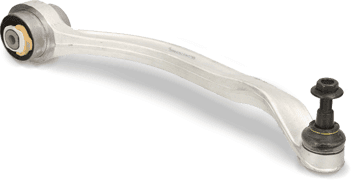
VAICO V20-1933 Suspension armControl/Trailing Arm Type: Control Arm; Supplementary Article / Supplementary Info Info 2: with rubber mount; Fitting Position: Lower, Rear, Front Axle Right; Thread Size: M14x1,5; Axle alignment required after fitting: ; article number of the recommended special tool: V99-1020; Paired product: V20-1932; Material: Aluminium; Weight [kg]: 1,275; Packaging width [cm]: 10,5; Packaging height [cm]: 48; Packaging Depth [cm]: 8; Supplementary Info: Original VAICO Quality40,99 £*Shipping: 8,45 £Secure redirect to the provider
-
VEMO V15-03-1933 Blower motorLeft-/right-hand drive vehicles: for right-hand drive vehicles; Vehicle Equipment: for vehicles with automatic climate control; Weight [kg]: 0,265; Packaging width [cm]: 23,5; Packaging height [cm]: 22; Packaging Depth [cm]: 19,7; Supplementary Info: Original VEMO Quality; Model Year to: 2011, 2012; Vehicle Identification Number (VIN) from: 8K-8-000 00179,49 £*Shipping: 8,45 £Secure redirect to the provider
-
How did religion change around 1933?
In 1933, religion underwent significant changes due to the rise of the Nazi regime in Germany. The Nazis sought to control and manipulate religious institutions to serve their political agenda, leading to the suppression of religious freedom and the persecution of religious minorities, particularly Jews. The Nazis also promoted a form of pseudo-religious worship centered around the cult of Adolf Hitler, attempting to replace traditional religious beliefs with their own ideology. These changes had a profound impact on the practice of religion in Germany and the broader European context, leading to widespread religious persecution and the erosion of religious freedom. **
-
What happened in the year 1933?
In the year 1933, several significant events took place. Adolf Hitler became Chancellor of Germany, marking the beginning of the Nazi regime. The United States faced the height of the Great Depression, leading to the implementation of President Franklin D. Roosevelt's New Deal policies. Prohibition in the United States was also repealed with the ratification of the 21st Amendment, ending the nationwide ban on alcohol. **
-
Was the Enabling Act of 1933 legal?
The Enabling Act of 1933 was a legal act passed by the German Reichstag that granted Chancellor Adolf Hitler the power to enact laws without the involvement of the Reichstag. However, the legality of the act is often debated due to the circumstances under which it was passed, including the intimidation and arrest of opposition members. Additionally, the act effectively allowed for the establishment of a dictatorship, which goes against democratic principles. While it may have been legal in the context of the German legal system at the time, it ultimately contributed to the erosion of democracy and the rise of the Nazi regime. **
-
How was antisemitism in Germany before 1933?
Before 1933, antisemitism in Germany was deeply ingrained in society and had a long history. Jews were often scapegoated for various social and economic problems, and were subjected to discrimination and violence. Antisemitic attitudes were present in political parties, the media, and the general population. This created a hostile environment for Jewish people and contributed to the rise of the Nazi party and the eventual implementation of anti-Jewish laws and policies. **
Similar search terms for 1933
-
MANN-FILTER C 1933 Air filterFilter type: Filter Insert; EU General Product Safety Regulation (GPSR): IEC 60417-6183 mechanical expertise required; Height: 63; Inner Diameter [mm]: 125; Outer Diameter [mm]: 187; Inner Diameter 1 [mm]: 125; Construction Year to: 07/197417,99 £*Shipping: 8,45 £Secure redirect to the provider
-
VEMO V15-01-1933 Fan, radiatorSupplementary Article / Supplementary Info Info 2: with holding frame; Diameter 1/Diameter 2 [mm]: 420/400; Heating/Cooling: Double Fan; Rated Power [W]: 400; Construction Year to: 06/2008, 03/2011, 10/2008; TecDoc Engine Number: 17337, 18030, 18009670,99 £*Shipping: 1,99 £Secure redirect to the provider
-
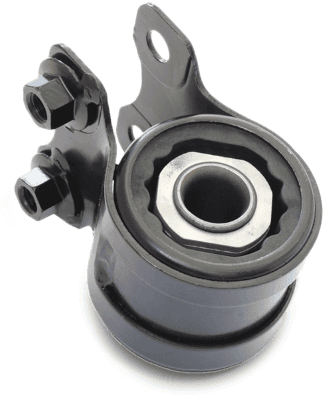
SWAG 90 10 1933 Trailing arm / Suspension arm bushThickness: 60; Inner Diameter [mm]: 14; Outer Diameter [mm]: 70; Material: Elastomer; Fitting Position: Front Axle Left, inner, Rear, Front Axle Right; Weight [kg]: 0,43; Vehicle Identification Number (VIN) to: KMH******E*999999, KM8******E*999999; Construction Year to: 08/2013; Vehicle Identification Number (VIN): KMH**************, KNA**************, 5XY**************; Vehicle Identification Number (VIN) from: 5NM******F*000001, 5XY******F*000001; TecDoc Engine Number: 24884, 2488510,49 £*Shipping: 8,45 £Secure redirect to the provider
-
Can you describe a postcard from 1933?
A postcard from 1933 would likely feature a colorful illustration or photograph on one side, with a space for a written message and recipient's address on the other. The image might depict a popular tourist destination, landmark, or event from that time period. The message on the back would be written in cursive handwriting, possibly detailing the sender's travels or well wishes to the recipient. Overall, a postcard from 1933 would serve as a snapshot of the era's aesthetics and communication style. **
-
Why did Hitler want new elections in 1933?
Hitler wanted new elections in 1933 in order to solidify his power and gain a majority in the Reichstag. The Nazi Party had not won a majority in the previous elections, and Hitler saw the opportunity to increase their share of seats and eliminate any remaining opposition. By calling for new elections, Hitler aimed to further consolidate his control over the government and pave the way for the passing of the Enabling Act, which would grant him dictatorial powers. **
-
Who was behind the Reichstag fire in 1933?
The exact perpetrator behind the Reichstag fire in 1933 is still a matter of debate and controversy. The Nazi regime blamed the fire on a young Dutch communist named Marinus van der Lubbe and used it as a pretext to crack down on political opposition. However, there are also theories that suggest the Nazis themselves may have been involved in setting the fire as a way to further consolidate their power and justify their repressive measures. The true identity of the person or group responsible for the Reichstag fire remains uncertain. **
-
Why was the Enabling Act introduced in 1933?
The Enabling Act was introduced in 1933 in Germany in response to the economic and political crisis caused by the Great Depression. The Act was proposed by the Nazi party and it granted Chancellor Adolf Hitler the power to enact laws without the involvement of the Reichstag. This was seen as necessary to address the economic turmoil and social unrest in the country, but it also effectively consolidated power in the hands of the Nazi party and allowed them to establish a dictatorship. The Enabling Act ultimately paved the way for Hitler to implement his radical agenda and suppress opposition, leading to the establishment of a totalitarian regime in Germany. **
* All prices are inclusive of VAT and, if applicable, plus shipping costs. The offer information is based on the details provided by the respective shop and is updated through automated processes. Real-time updates do not occur, so deviations can occur in individual cases. ** Note: Parts of this content were created by AI.