Buy kongress.info ?
We are moving the project
kongress.info .
Are you interested in purchasing the domain
kongress.info ?
domain@kv-gmbh.de · 0541-91531010
Buy kongress.info ?
Is it "Sieh es ein" or "Seh es ein"?
The correct phrase is "Sieh es ein." The word "sieh" is the imperative form of the verb "sehen" (to see), and "ein" means "in" or "into." Therefore, "Sieh es ein" translates to "See it in" or "See it into" in English. On the other hand, "Seh es ein" is not grammatically correct in standard German. **
Does it say "Komm tret ein" or "Komm tritt ein"?
The correct phrase is "Komm tret ein." This is the imperative form of the verb "treten" (to step) and the pronoun "du" (you) is implied. It is an invitation for someone to come in or step inside. **


Similar search terms for Ein
Top-Angebote
Products related to Ein:
-
WESOME Large Conference Table with Wireless Outlets Metal Grid Base Easy Assembly for Office (10-20 People)This premium commercial‑grade large conference table offers 2.8M/3.2M/3.6M spacious tops seating 10‑20 people for meetings & presentations. Built with a 2‑inch thick desktop and reinforced metal grid base for heavy‑duty stability.2054,99 $*Shipping: 0,00 $Secure redirect to the provider
-
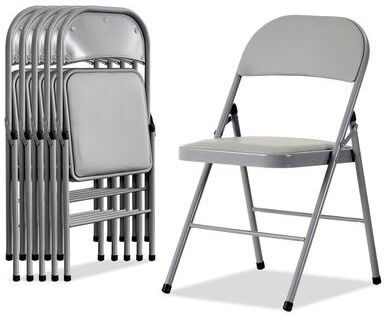
FCH Elegant Foldable Iron & PVC Chairs for Convention & Exhibition WhiteSturdy steel frame, two cross - supporting structure can improve the stability of the chair, which makes the chair durable. Steel folding chairs are essential for entertaining guests at large games, parties or events.119,49 $*Shipping: 0,00 $Secure redirect to the provider
-
FCH Elegant Foldable Iron & PVC Chairs for Convention & Exhibition WhiteSturdy steel frame, two cross - supporting structure can improve the stability of the chair, which makes the chair durable. Steel folding chairs are essential for entertaining guests at large games, parties or events.83,84 $*Shipping: 0,00 $Secure redirect to the provider




-
What is the difference between "Ein Sprichwort sagt" and "Ein Sprichwort besagt"?
The phrase "Ein Sprichwort sagt" is used to introduce a proverb or saying, indicating that the following statement is a common saying. On the other hand, "Ein Sprichwort besagt" is used to convey the meaning or message of a proverb or saying, suggesting that the following statement is the essence or interpretation of the saying. In essence, "Ein Sprichwort sagt" introduces the proverb itself, while "Ein Sprichwort besagt" focuses on the meaning or message conveyed by the proverb. **
-
Does it say "Sie gebärt ein Kind" or "Sie gebirt ein Kind"?
The correct phrase is "Sie gebärt ein Kind." The word "gebärt" is the third person singular form of the verb "gebären," which means "to give birth." The word "gebirt" is not a correct form of this verb in German. **
-
Is it "den ein oder anderen" or "dem ein oder anderem"? Example: Is it "Es interessiert den/dem ein oder anderen"?
The correct phrase is "den ein oder anderen." For example, the correct sentence would be "Es interessiert den ein oder anderen." The article "den" is used because "ein oder anderer" is in the accusative case, and "den" is the accusative form of the masculine article "der." **
-
What is the lyrical self in the poem "Ein Jüngling liebt ein Mädchen"?
The lyrical self in the poem "Ein Jüngling liebt ein Mädchen" is the persona who is experiencing the intense emotions of love and longing. This self is deeply immersed in the feelings of infatuation and desire for the beloved. The lyrical self expresses the vulnerability and intensity of youthful love, as well as the pain and longing that comes with it. It is a representation of the speaker's innermost thoughts and emotions as they navigate the complexities of love. **

What could be the meaning of "Ein Ziel ist ein Traum mit einer Frist"?
The phrase "Ein Ziel ist ein Traum mit einer Frist" translates to "A goal is a dream with a deadline" in English. This means that a goal is like a dream, but with a specific time frame or deadline attached to it. It emphasizes the importance of setting specific and achievable goals in order to turn our dreams into reality. It also suggests that having a deadline can provide motivation and a sense of urgency to work towards achieving our dreams. **
Why does the dative follow "ein"?
The dative case follows "ein" because "ein" is a determiner that requires a noun to be in the dative case in German. In the dative case, the noun typically represents the indirect object of the sentence, indicating to whom or for whom the action is being done. Therefore, when using "ein" to indicate possession or belonging, the noun that follows it must be in the dative case to show that the possession or belonging is directed towards someone or something. **
Top-Angebote
Products related to Ein:
-
FCH Elegant Foldable Iron & PVC Chairs for Convention & Exhibition WhiteSturdy steel frame, two cross - supporting structure can improve the stability of the chair, which makes the chair durable. Steel folding chairs are essential for entertaining guests at large games, parties or events.131,03 $*Shipping: 0,00 $Secure redirect to the provider
-
WESOME Large Conference Table with Wireless Outlets Metal Grid Base Easy Assembly for Office (10-20 People)This premium commercial‑grade large conference table offers 2.8M/3.2M/3.6M spacious tops seating 10‑20 people for meetings & presentations. Built with a 2‑inch thick desktop and reinforced metal grid base for heavy‑duty stability.2054,99 $*Shipping: 0,00 $Secure redirect to the provider
-
Is it "Sieh es ein" or "Seh es ein"?
The correct phrase is "Sieh es ein." The word "sieh" is the imperative form of the verb "sehen" (to see), and "ein" means "in" or "into." Therefore, "Sieh es ein" translates to "See it in" or "See it into" in English. On the other hand, "Seh es ein" is not grammatically correct in standard German. **
-
Does it say "Komm tret ein" or "Komm tritt ein"?
The correct phrase is "Komm tret ein." This is the imperative form of the verb "treten" (to step) and the pronoun "du" (you) is implied. It is an invitation for someone to come in or step inside. **
-
What is the difference between "Ein Sprichwort sagt" and "Ein Sprichwort besagt"?
The phrase "Ein Sprichwort sagt" is used to introduce a proverb or saying, indicating that the following statement is a common saying. On the other hand, "Ein Sprichwort besagt" is used to convey the meaning or message of a proverb or saying, suggesting that the following statement is the essence or interpretation of the saying. In essence, "Ein Sprichwort sagt" introduces the proverb itself, while "Ein Sprichwort besagt" focuses on the meaning or message conveyed by the proverb. **
-
Does it say "Sie gebärt ein Kind" or "Sie gebirt ein Kind"?
The correct phrase is "Sie gebärt ein Kind." The word "gebärt" is the third person singular form of the verb "gebären," which means "to give birth." The word "gebirt" is not a correct form of this verb in German. **
Similar search terms for Ein
-
FCH Elegant Foldable Iron & PVC Chairs for Convention & Exhibition WhiteSturdy steel frame, two cross - supporting structure can improve the stability of the chair, which makes the chair durable. Steel folding chairs are essential for entertaining guests at large games, parties or events.119,49 $*Shipping: 0,00 $Secure redirect to the provider
-
FCH Elegant Foldable Iron & PVC Chairs for Convention & Exhibition WhiteSturdy steel frame, two cross - supporting structure can improve the stability of the chair, which makes the chair durable. Steel folding chairs are essential for entertaining guests at large games, parties or events.83,84 $*Shipping: 0,00 $Secure redirect to the provider
-
FCH Elegant Foldable Iron & PVC Chairs for Convention & Exhibition WhiteSturdy steel frame, two cross - supporting structure can improve the stability of the chair, which makes the chair durable. Steel folding chairs are essential for entertaining guests at large games, parties or events.119,27 $*Shipping: 0,00 $Secure redirect to the provider
-
FCH Elegant Foldable Iron & PVC Chairs for Convention & Exhibition WhiteSturdy steel frame, two cross - supporting structure can improve the stability of the chair, which makes the chair durable. Steel folding chairs are essential for entertaining guests at large games, parties or events.76,99 $*Shipping: 0,00 $Secure redirect to the provider
-
Is it "den ein oder anderen" or "dem ein oder anderem"? Example: Is it "Es interessiert den/dem ein oder anderen"?
The correct phrase is "den ein oder anderen." For example, the correct sentence would be "Es interessiert den ein oder anderen." The article "den" is used because "ein oder anderer" is in the accusative case, and "den" is the accusative form of the masculine article "der." **
-
What is the lyrical self in the poem "Ein Jüngling liebt ein Mädchen"?
The lyrical self in the poem "Ein Jüngling liebt ein Mädchen" is the persona who is experiencing the intense emotions of love and longing. This self is deeply immersed in the feelings of infatuation and desire for the beloved. The lyrical self expresses the vulnerability and intensity of youthful love, as well as the pain and longing that comes with it. It is a representation of the speaker's innermost thoughts and emotions as they navigate the complexities of love. **
-
What could be the meaning of "Ein Ziel ist ein Traum mit einer Frist"?
The phrase "Ein Ziel ist ein Traum mit einer Frist" translates to "A goal is a dream with a deadline" in English. This means that a goal is like a dream, but with a specific time frame or deadline attached to it. It emphasizes the importance of setting specific and achievable goals in order to turn our dreams into reality. It also suggests that having a deadline can provide motivation and a sense of urgency to work towards achieving our dreams. **
-
Why does the dative follow "ein"?
The dative case follows "ein" because "ein" is a determiner that requires a noun to be in the dative case in German. In the dative case, the noun typically represents the indirect object of the sentence, indicating to whom or for whom the action is being done. Therefore, when using "ein" to indicate possession or belonging, the noun that follows it must be in the dative case to show that the possession or belonging is directed towards someone or something. **
* All prices are inclusive of VAT and, if applicable, plus shipping costs. The offer information is based on the details provided by the respective shop and is updated through automated processes. Real-time updates do not occur, so deviations can occur in individual cases. ** Note: Parts of this content were created by AI.